Book Publishing is About More than Just Money

Bryan Collins of Become a Writer Today recently included me (along with other big writers like K. M. Weiland, James Scott Bell, and Robert McKee) in an awesome infographic: 11 Top Writers on their Greatest Writing Challenges and How they Overcome their Demons.

In addition to being a “top writer”, I’m also a writing coach. I’ve worked with hundreds of aspiring authors one-on-one and through group coaching. Many of these aspiring authors have told me their goal is to publish a book, and, in doing so, generate enough income to quit their day job.

Unfortunately, this is not a realistic goal.

I’m not betting against aspiring authors when I say this. Their books very well might become smash hits. That said, it’s still not a realistic goal because, as I said in the infographic, books are just not a good business to get rich in – the profit margin is too thin.

Let’s do some rough math.

Say you’re selling a print-on-demand paperback book for $15 via Amazon CreateSpace. The book is going to cost about $5 in Createspace printing costs and Amazon is going to take another $5 as their cut of the book. That leaves you with about a $5 profit per book.

A $5 profit per book means, if you want to leave a $50,000 a year day job, you’re going to need to sell 10,000 paperback books. Making 10,000 book sales means your book is a hit. It’s extremely difficult to sell that many books, but it’s not impossible. You could totally do it.

The problem is you’re going to need to have another massive hit next year, and every single year after that until you retire. That’s a tall order for any author.

That’s why generating enough income via book sales alone to quit a day job just isn’t realistic for 99% of authors.

But here’s the thing… I still think you should write and publish books.

You absolutely should!

Publishing books has transformed my life and it will transform yours as well.

Becoming an author has enriched my existence in dozens of ways that have nothing to do with books sales, business, or money.

Here’s just one example:
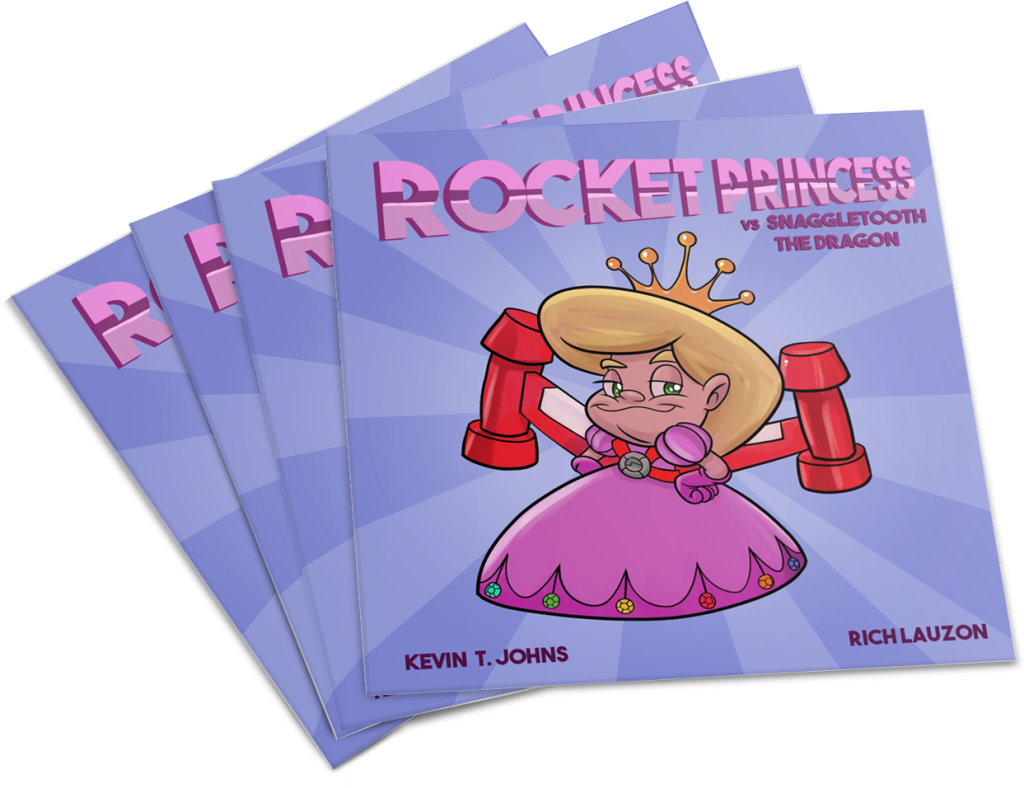
Rocket Princess

Last year I published a children’s picture book, Rocket Princess vs. Snaggletooth the Dragon. I’ve sold very few copies of the book. In fact, I haven’t earned back the money I invested in commissioning the illustrations. Yet I consider the book one of my biggest successes as an author.

Why would I consider a book that has lost me money a success?

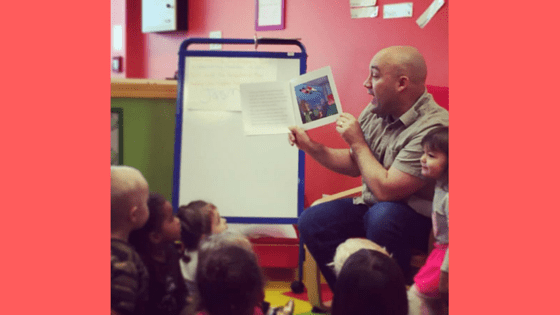
I consider it a success because, after publishing the book, I was invited to read Rocket Princess to my daughter Alyssa’s pre-school class, as well as my daughter Jillian’s kindergarten class.
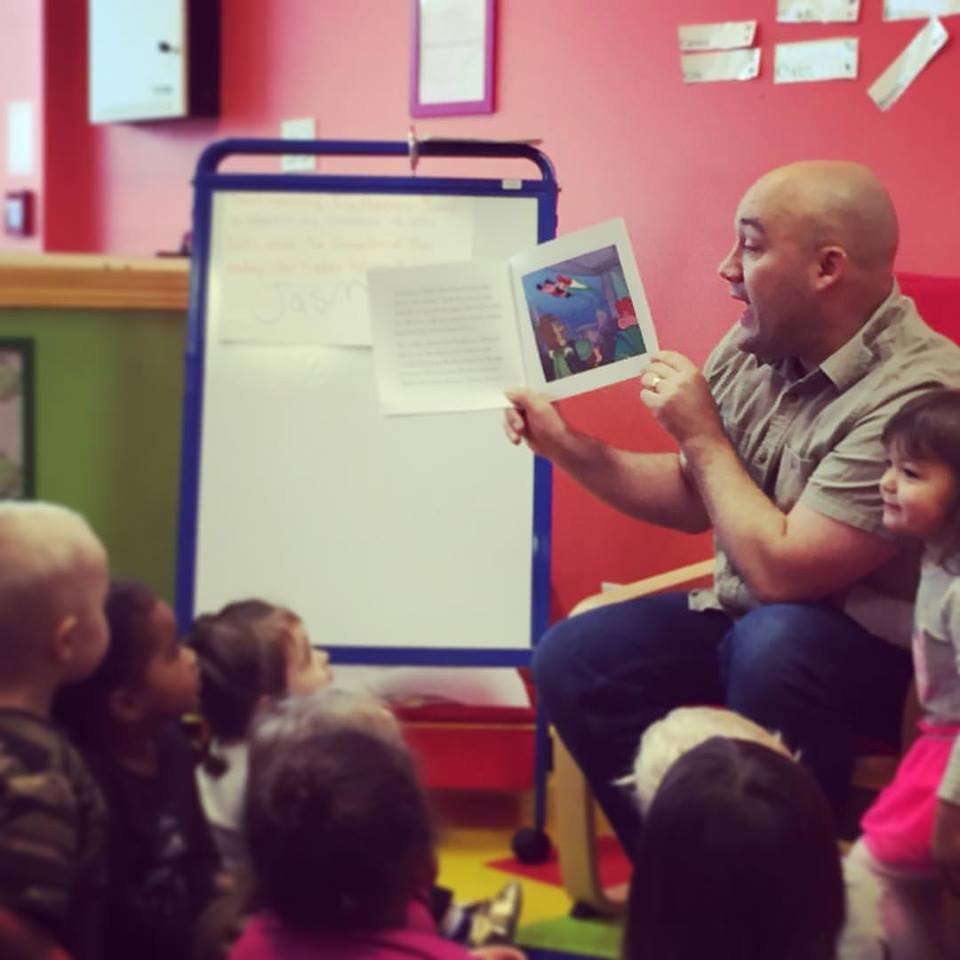
Rocket Princess Reading
Reading ‘Rocket Princess vs. Snaggletooth the Dragon’ with my daughter at my side.

My daughters were so proud to see their dad in their classroom reading his book to their classmates. The kids in the room loved hearing the story read by the author. My wife even came and watched both times. Doing those two readings was personally rewarding in a way books sales or a check from Amazon will never be.

Writing a book, creating art of any kind, is about more than sales. It’s about more than money. It’s about connecting with readers. It’s about creating something new. It’s about spreading joy and entertaining an audience.

You aren’t going to get monetarily rich publishing a book, but you’ll live a richer life.

I promise you that.

[feature_box style=”23″ only_advanced=”There%20are%20no%20title%20options%20for%20the%20choosen%20style” alignment=”center”]

grey backKevin T. Johns is an author, writing coach, and ghostwriter. He has helped hundreds of writers from around the world get ideas out of their heads, onto the page, and into readers’ hands. Get your free copy of his short guide for authors below.
[/feature_box]
free-guide

[optin_box style=”21″ alignment=”center” email_field=”email” email_default=”Enter your email address” email_order=”2″ integration_type=”aweber” double_optin=”Y” thank_you_page=”https://www.kevintjohns.com/newsletter-confirmation/” list=”3224178″ name_field=”name” name_default=”Enter your first name” name_order=”1″ name_required=”Y” opm_packages=””][optin_box_field name=”headline”]Do you know the 12 ESSENTIAL steps to creating a novel readers will love?[/optin_box_field][optin_box_field name=”paragraph”]PHA+RHJvcCB5b3VyIG5hbWUgYW5kIGJlc3TCoGVtYWlsIGFkZHJlc3MgaW50byB0aGUgZm9ybSBiZWxvdyB0byBhY2Nlc3MgeW91ciBmcmVlIGNvcHkgb2YgPHN0cm9uZz48ZW0+VGhlIE5vdmVsIFdyaXRlcidzIFJvYWRtYXA8L2VtPjwvc3Ryb25nPiwgYSBzaG9ydCBhbmQgc2ltcGxlIGd1aWRlIHRvIHdyaXRpbmcgeW91ciBmaXJzdCBib29rLiBJdCdsbCB3YWxrIHlvdSB0aHJvdWdoIHRoZcKgPHN0cm9uZz4xMiBlc3NlbnRpYWwgc3RlcHM8L3N0cm9uZz7CoHRvIHdyaXRpbmcgYW5kIHB1Ymxpc2hpbmcgYSBub3ZlbCByZWFkZXJzIHdpbGwgZmFsbCBpbiBsb3ZlIHdpdGguwqA8L3A+Cg==[/optin_box_field][optin_box_field name=”privacy”]I value your privacy and would never spam you[/optin_box_field][optin_box_field name=”top_color”]undefined[/optin_box_field][optin_box_button type=”0″ button_below=”Y”]Send me the Roadmap >>[/optin_box_button] [/optin_box]

 

How to Turn Any Ebook into an Audiobook

I’m a huge fan of audiobooks.

I spend two hours a day commuting to and from my day job, and audiobooks allow me to turn that otherwise wasted transit time into productive reading time.

I try to cycle between a fiction book, a book on business, and a book on writer’s craft. Unfortunately, not every book has an audio edition. Audiobooks can also be fairly expensive compared to their ebook counterparts.

But despair not, my fellow audiophiles!

I’ve just discovered a way to turn ANY ebook into an audiobook using an iPhone.

You see, iPhones come with an accessibility feature for the visually impaired. Once this feature is switched on, your phone will read to you whatever content is on the screen, including an ebook!

Here’s how to turn the feature on:

Settings -> General -> Accessibility

In the Accessibility menu, switch the VoiceOver toggle to “On”.

Warning: Once VoiceOver is turned on, things get a little wonky. Your traditional touch commands change, and it takes a little while to get used to the new commands. For example, in order to select an app you need to tap the app once, like you normally would, but you then need to double tap the app to get it to open.

If it’s a Kindle ebook you want to turn into an audiobook, after turning the VoiceOver feature on, you’ll hit the home button. You’ll then single tap to select the Kindle app, and then double tap to actually open it.

Once you have your ebook open, swipe downwards on the screen with two fingers to initiate the reading. The VoiceOver should begin reading the page you’ve opened your ebook to.

Ta-da! You’ve just turned an ebook into an audio book.

Bonus Tip for Authors: Consider using the VoiceOver feature to review drafts of your manuscript. Typos and other problems become much more apparent when listening to your writing.

[vertical_spacing]

[feature_box style=”23″ only_advanced=”There%20are%20no%20title%20options%20for%20the%20choosen%20style” alignment=”center”]

grey backKevin T. Johns is an author, writing coach, and ghostwriter. He has helped hundreds of writers from around the world get ideas out of their heads, onto the page, and into readers’ hands. Get your free copy of his short guide for authors below.
[/feature_box]

free-guide

[optin_box style=”21″ alignment=”center” email_field=”email” email_default=”Enter your email address” email_order=”2″ integration_type=”aweber” double_optin=”Y” thank_you_page=”https://www.kevintjohns.com/newsletter-confirmation/” list=”3224178″ name_field=”name” name_default=”Enter your first name” name_order=”1″ name_required=”Y” opm_packages=””][optin_box_field name=”headline”]Do you know the 12 ESSENTIAL steps to creating a novel readers will love?[/optin_box_field][optin_box_field name=”paragraph”]PHA+RHJvcCB5b3VyIG5hbWUgYW5kIGJlc3TCoGVtYWlsIGFkZHJlc3MgaW50byB0aGUgZm9ybSBiZWxvdyB0byBhY2Nlc3MgeW91ciBmcmVlIGNvcHkgb2YgPHN0cm9uZz48ZW0+VGhlIE5vdmVsIFdyaXRlcidzIFJvYWRtYXA8L2VtPjwvc3Ryb25nPiwgYSBzaG9ydCBhbmQgc2ltcGxlIGd1aWRlIHRvIHdyaXRpbmcgeW91ciBmaXJzdCBib29rLiBJdCdsbCB3YWxrIHlvdSB0aHJvdWdoIHRoZcKgPHN0cm9uZz4xMiBlc3NlbnRpYWwgc3RlcHM8L3N0cm9uZz7CoHRvIHdyaXRpbmcgYW5kIHB1Ymxpc2hpbmcgYSBub3ZlbCByZWFkZXJzIHdpbGwgZmFsbCBpbiBsb3ZlIHdpdGguwqA8L3A+Cg==[/optin_box_field][optin_box_field name=”privacy”]I value your privacy and would never spam you[/optin_box_field][optin_box_field name=”top_color”]undefined[/optin_box_field][optin_box_button type=”0″ button_below=”Y”]Send me the Roadmap >>[/optin_box_button] [/optin_box]

 

4 Tips for Getting the Most Out of An Online Summit

Online live-streaming technology continues to improve.

As a result, more and more online summits are taking place, including summits focused on the world of writing and publishing.

In June of 2016 alone, both Chandler Bolt’s Self-Publishing Summit and Jesse Krieger’s Book, Branding and Business Building Summit brought together dozens of writing and publishing experts.

If you haven’t yet participated in an online summit, you can think of them as a virtual conference. Summits usually feature presentations and interviews with industry influencers delivered via a series of live webinars over several days or weeks.

Online summits offer a variety of ways for attendees to learn and grow. Here’s how you can get the most out of the next online summit you attend.

1. Engage with the Presentations, Take Notes, and Ask Questions

While many summit presentations feature a product pitch of some kind, this often only comes at the end of a presentation otherwise filled with valuable information. Presenters choose to take part in summits because it’s an opportunity for them to get in front of a new audience and demonstrate their expertise. As such, they’ll often deliver excellent information in hopes of wooing new fans and clients.

The best way to take advantage of this high quality information is to take notes. Don’t just passively view the presentations like you’re watching a television show. Instead, look for specific information applicable to the challenges you’re currently grappling with and the goals you want to achieve. Record that information via note taking, and then put the advice and strategies into action following the summit.

Another way to ensure you get the most out of the presentations is to ask questions. One of the most valuable aspects of live webinars, as opposed to recorded training videos, is the audience’s ability to interact with a presenter who can tailor responses to the specific needs of the audience.

Many experts are busy individuals who may not have time to answer a question you send them via email, so take advantage of the webinar format of summit presentations to get insights and education you might otherwise not have access to.

2. Identify Influencers

When I first started learning about book marketing, I kept reading about how I needed to identify influencers in my niche. I remember thinking, “I’m totally new to this space, so how am I supposed to figure out who the influencers are?”

I soon discovered online summits are the perfect place to identify influencers. If someone has been invited to participate in a summit, they’ve likely built a large platform, developed a strong following, and/or reached a certain level of expertise and success in their chosen industry. As such, they are the people you want to follow, learn from, and engage with as you continue to grow your author career.

I chose to hire Derek Murphy of Creative Indie to design my book cover for The Page Turners: Economy of Fear after seeing his presentation at Jim Kukral’s 2015 Author Marketing Summit. I was conscious that I wasn’t only hiring an incredibly talented book designer, but also taking the first step towards developing a relationship an influencer in the indie publishing world. That relationship never would have happened if not for the summit.

3. Purchase Products

Many summits are designed to build-up to the sale of a big product (like an online course) by the host at the summit’s climax. Presenters will also, at times, make offers during their summit presentations, usually at a discounted price with bonuses thrown in too.

If a particular summit presenter resonates with you, or if the product they are pitching addresses a need you have, the summit can be a great opportunity to make a purchase, usually at a discounted rate. I’m a big fan of online courses and, as a lifelong learner, I always go into summits with an eye out for new learning opportunities.

4. Network

One of the biggest missed opportunities for a lot of people who attend summits is the chance to network with other writers.

I know so many aspiring authors who feel isolated and who yearn for a community of people who share similar goals. Summits are an excellent place to make those connections. (As is my group coaching program.)

Most live summit presentations include a chatroom filled with people who share common interests, and many summits also include a Facebook group. Take advantage of these chatrooms and groups to begin developing relationships with other writers as well as reach out to influencers.

As live streaming technology continues to get better and better, there’s only going to be more summits for you to take part in. Make sure you use these tips to ensure you get the most out of them!

[feature_box style=”23″ only_advanced=”There%20are%20no%20title%20options%20for%20the%20choosen%20style” alignment=”center”]

grey backKevin T. Johns is an author, writing coach, and ghostwriter. He has helped hundreds of writers from around the world get ideas out of their heads, onto the page, and into readers’ hands. Get your free copy of his short guide for authors below.
[/feature_box]

free-guide

[optin_box style=”21″ alignment=”center” email_field=”email” email_default=”Enter your email address” email_order=”2″ integration_type=”aweber” double_optin=”Y” thank_you_page=”https://www.kevintjohns.com/newsletter-confirmation/” list=”3224178″ name_field=”name” name_default=”Enter your first name” name_order=”1″ name_required=”Y” opm_packages=””][optin_box_field name=”headline”]Do you know the 12 ESSENTIAL steps to creating a novel readers will love?[/optin_box_field][optin_box_field name=”paragraph”]PHA+RHJvcCB5b3VyIG5hbWUgYW5kIGJlc3TCoGVtYWlsIGFkZHJlc3MgaW50byB0aGUgZm9ybSBiZWxvdyB0byBhY2Nlc3MgeW91ciBmcmVlIGNvcHkgb2YgPHN0cm9uZz48ZW0+VGhlIE5vdmVsIFdyaXRlcidzIFJvYWRtYXA8L2VtPjwvc3Ryb25nPiwgYSBzaG9ydCBhbmQgc2ltcGxlIGd1aWRlIHRvIHdyaXRpbmcgeW91ciBmaXJzdCBib29rLiBJdCdsbCB3YWxrIHlvdSB0aHJvdWdoIHRoZcKgPHN0cm9uZz4xMiBlc3NlbnRpYWwgc3RlcHM8L3N0cm9uZz7CoHRvIHdyaXRpbmcgYW5kIHB1Ymxpc2hpbmcgYSBub3ZlbCByZWFkZXJzIHdpbGwgZmFsbCBpbiBsb3ZlIHdpdGguwqA8L3A+Cg==[/optin_box_field][optin_box_field name=”privacy”]I value your privacy and would never spam you[/optin_box_field][optin_box_field name=”top_color”]undefined[/optin_box_field][optin_box_button type=”0″ button_below=”Y”]Send me the Roadmap >>[/optin_box_button] [/optin_box]
 

Ani Alexander on Being a Brand Architect – The Writing Coach 026

Welcome to The Writing Coach. On this podcast, I speak with the instructors, editors, coaches, and mentors that help writers and authors create their art, build their audience, and sell their work.

Ani Alexander is an author, brand coach, and the host of the popular podcast, Write to be Read, which she hosted for over 150 episodes (!) before rebranding under a new title, Brand Architect.

During the conversation, Ani describes:

  • The moment that inspired her to quit her corporate job after almost a decade;
  • How a random connection via Facebook led to her writing a bestselling book;
  • Why she built her author platform around her podcast instead of blogging;
  • What it was like being the only podcaster in Armenia;
  • What she learned from having over 150 conversations about writing and publishing;
  • The role persistence and consistency has played in her success;
  • Why she decided to rebrand her podcast and how the new show is going to help listeners grow their audience;
  • How she overcame limiting beliefs about charging for her services and expertise;
  • And much more!

Listen to the episode now:

Show Notes

Visit Ani’s website here.

Learn how you can work with Ani here.

Listen to Ani’s podcast here.

[vertical_spacing]

[feature_box style=”23″ only_advanced=”There%20are%20no%20title%20options%20for%20the%20choosen%20style” alignment=”center”]

grey back
Kevin T. Johns is an author, writing coach, and ghostwriter. He helps authors from around the world get their stories out of their heads, onto the page, and into readers hands. Grab a free copy of his short guide for authors by clicking the image below.

[/feature_box]

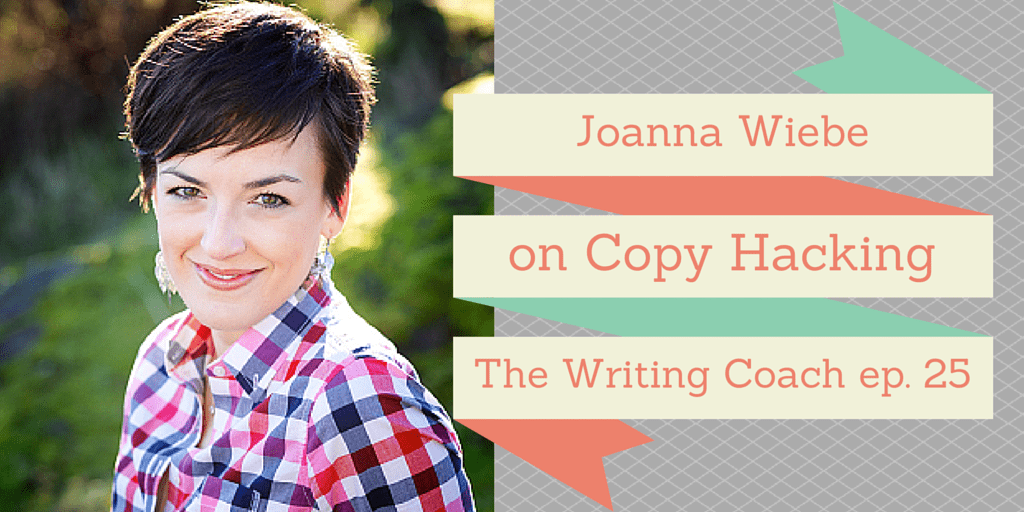
Joanna Wiebe on Copy Hacking – The Writing Coach 025

Welcome to The Writing Coach. On this podcast, I speak with the instructors, editors, coaches, and mentors that help writers and authors create their art, build their audience, and sell their work.

In episode 25 of The Writing Coach, I speak with copywriter and author Joanna Wiebe.

Joanna is the brilliant mind behind Copy Hackers, which promises to help writers craft more persuasive, believable, and usable copy… sans pixie dust… to boost website and email conversion rates. Joanna is also a speaker, a fiction author, and a copywriting instructor offering a number of instructional books and resources, many of which I’ve used in my own copywriting education.

During the interview, Joanna discusses:

  • How a movie she saw as a child ultimately shaped her career trajectory as an writer;
  • Why she thinks an undergraduate degree in English Literature is a great idea;
  • The difference between direct response copywriting and conversion copywriting;
  • Why she has decided to not write the final book in her young adult trilogy;
  • The reason templates fail to work in both copywriting and fiction writing;
  • What she took away from a week focusing on Facebook advertising;
  • Her tips for how fiction authors can write better blurbs;
  • How she is helping authors conquer the blank page via new software she’s developing;
  • And much more!

Listen to the episode now:

Show Notes

Visit the Copy Hackers website.

Learn more about Airstory.

Check out Joanna’s young adult novel, The Unseemly Education of Anne Merchant:

[vertical_spacing]

[feature_box style=”23″ only_advanced=”There%20are%20no%20title%20options%20for%20the%20choosen%20style” alignment=”center”]

grey back
Kevin T. Johns is an author, writing coach, and ghostwriter. He helps authors from around the world get their stories out of their heads, onto the page, and into readers hands. Grab a free copy of his short guide for authors by clicking the image below.

[/feature_box]

How to Get Featured by Your Alma Mater

I was recently featured in the article, Student Storytellers: Creative Writing and the English Department at Carleton University, alongside other Carleton University alumni who launched author careers after graduation.

As an author, getting featured by your alma mater can be a great marketing boost for your books and your author career. Universities have a level of authority and credibility something like blog interviews or podcast appearances can’t necessarily replicate.

Here’s how to go about getting featured by your alma mater.

Do Something Worth Writing About – If you’re an English grad who hasn’t published a book, you probably aren’t going to be featured by your English Department. If you’re a journalism student who now works in IT, your J School probably isn’t going to be interested in writing about your work. Do your school proud by taking what you learned and making something of yourself after graduation. As Benjamin Franklin put it, “Either write something worth reading, or do something worth writing.”

Maintain Relationships – Following graduation, I’ve remained in contact with many of my former professors. These mentors challenged me, educated me, and supported me in a way I’ll be forever grateful for, so it was important to me to make the effort to touch base with them from time to time in the years following graduation. With Facebook and other social media tools, there’s no excuse not to remain in contact with people who have touched your life in a positive manner, and that includes incredible teachers and educators.

Return to Campus and Help Promote the School Whenever Possible – I’ve returned to campus on a number of occasions. I’ve given talks to potential graduate students about my experiences at Carleton. When I published my first novel, The Page Turners, I provided a copy to the English department to include alongside the work of other graduates in a display case. When the English Department put together some new webpages featuring successful alumni, I gladly agreed to be included. When I hosted the first live versions of my course, The Novel Writer’s Blueprint, I chose to do so on-campus. The best years of my life were spent at Carleton University, so I’m always looking for a reason to get back, and give back, to the school.

Respond Promptly and Professionally – When the school contacted me about being featured in the article, I provided the information requested in a prompt manner and I had professional quality photos ready for use in the article. If a journalist of any kind is interested in helping to promote your career and your work, you should be ready to do everything possible to make their lives easier.

The benefits gained from a university education don’t just stop when you’re handed a diploma. Use the simple steps outlined in this article to continue to leverage your university experience to support your author career.

[feature_box style=”23″ only_advanced=”There%20are%20no%20title%20options%20for%20the%20choosen%20style” alignment=”center”]

grey backKevin T. Johns is an author, writing coach, and ghostwriter. He has helped hundreds of writers from around the world get ideas out of their heads, onto the page, and into readers’ hands. Get your free copy of his short guide for authors below.
[/feature_box]

free-guide

[optin_box style=”21″ alignment=”center” email_field=”email” email_default=”Enter your email address” email_order=”2″ integration_type=”aweber” double_optin=”Y” thank_you_page=”https://www.kevintjohns.com/newsletter-confirmation/” list=”3224178″ name_field=”name” name_default=”Enter your first name” name_order=”1″ name_required=”Y” opm_packages=””][optin_box_field name=”headline”]Do you know the 12 ESSENTIAL steps to creating a novel readers will love?[/optin_box_field][optin_box_field name=”paragraph”]PHA+RHJvcCB5b3VyIG5hbWUgYW5kIGJlc3TCoGVtYWlsIGFkZHJlc3MgaW50byB0aGUgZm9ybSBiZWxvdyB0byBhY2Nlc3MgeW91ciBmcmVlIGNvcHkgb2YgPHN0cm9uZz48ZW0+VGhlIE5vdmVsIFdyaXRlcidzIFJvYWRtYXA8L2VtPjwvc3Ryb25nPiwgYSBzaG9ydCBhbmQgc2ltcGxlIGd1aWRlIHRvIHdyaXRpbmcgeW91ciBmaXJzdCBib29rLiBJdCdsbCB3YWxrIHlvdSB0aHJvdWdoIHRoZcKgPHN0cm9uZz4xMiBlc3NlbnRpYWwgc3RlcHM8L3N0cm9uZz7CoHRvIHdyaXRpbmcgYW5kIHB1Ymxpc2hpbmcgYSBub3ZlbCByZWFkZXJzIHdpbGwgZmFsbCBpbiBsb3ZlIHdpdGguwqA8L3A+Cg==[/optin_box_field][optin_box_field name=”privacy”]I value your privacy and would never spam you[/optin_box_field][optin_box_field name=”top_color”]undefined[/optin_box_field][optin_box_button type=”0″ button_below=”Y”]Send me the Roadmap >>[/optin_box_button] [/optin_box]
 

Using Kindle Percentages to Help Revise Your Manuscript

This week I created an ebook version of my current work-in-progress to send to Beta readers.

While reviewing the ebook in Kindle, I noticed the percent reading down in the corner of the page.

This led to a realization regarding how I can use those percentages to aid in the revision of my book, and how YOU can too!

NOTE: When I say “Second Act” in this video, what I meant was the FIRST HALF of the Second Act; i.e. the portion of the book starting at the 25% mark and leading up to the mid-point shift at 50%.

Check out the video below.

[vertical_spacing]

[feature_box style=”23″ only_advanced=”There%20are%20no%20title%20options%20for%20the%20choosen%20style” alignment=”center”]

grey backKevin T. Johns is an author, writing coach, and ghostwriter. He has helped hundreds of writers from around the world get ideas out of their heads, onto the page, and into readers’ hands. Get your free copy of his short guide for authors below.
[/feature_box]

free-guide

[optin_box style=”21″ alignment=”center” email_field=”email” email_default=”Enter your email address” email_order=”2″ integration_type=”aweber” double_optin=”Y” thank_you_page=”https://www.kevintjohns.com/newsletter-confirmation/” list=”3224178″ name_field=”name” name_default=”Enter your first name” name_order=”1″ name_required=”Y” opm_packages=””][optin_box_field name=”headline”]Do you know the 12 ESSENTIAL steps to creating a novel readers will love?[/optin_box_field][optin_box_field name=”paragraph”]PHA+RHJvcCB5b3VyIG5hbWUgYW5kIGJlc3TCoGVtYWlsIGFkZHJlc3MgaW50byB0aGUgZm9ybSBiZWxvdyB0byBhY2Nlc3MgeW91ciBmcmVlIGNvcHkgb2YgPHN0cm9uZz48ZW0+VGhlIE5vdmVsIFdyaXRlcidzIFJvYWRtYXA8L2VtPjwvc3Ryb25nPiwgYSBzaG9ydCBhbmQgc2ltcGxlIGd1aWRlIHRvIHdyaXRpbmcgeW91ciBmaXJzdCBib29rLiBJdCdsbCB3YWxrIHlvdSB0aHJvdWdoIHRoZcKgPHN0cm9uZz4xMiBlc3NlbnRpYWwgc3RlcHM8L3N0cm9uZz7CoHRvIHdyaXRpbmcgYW5kIHB1Ymxpc2hpbmcgYSBub3ZlbCByZWFkZXJzIHdpbGwgZmFsbCBpbiBsb3ZlIHdpdGguwqA8L3A+Cg==[/optin_box_field][optin_box_field name=”privacy”]I value your privacy and would never spam you[/optin_box_field][optin_box_field name=”top_color”]undefined[/optin_box_field][optin_box_button type=”0″ button_below=”Y”]Send me the Roadmap >>[/optin_box_button] [/optin_box]

 

Why I’m Self-Publishing My Next Book

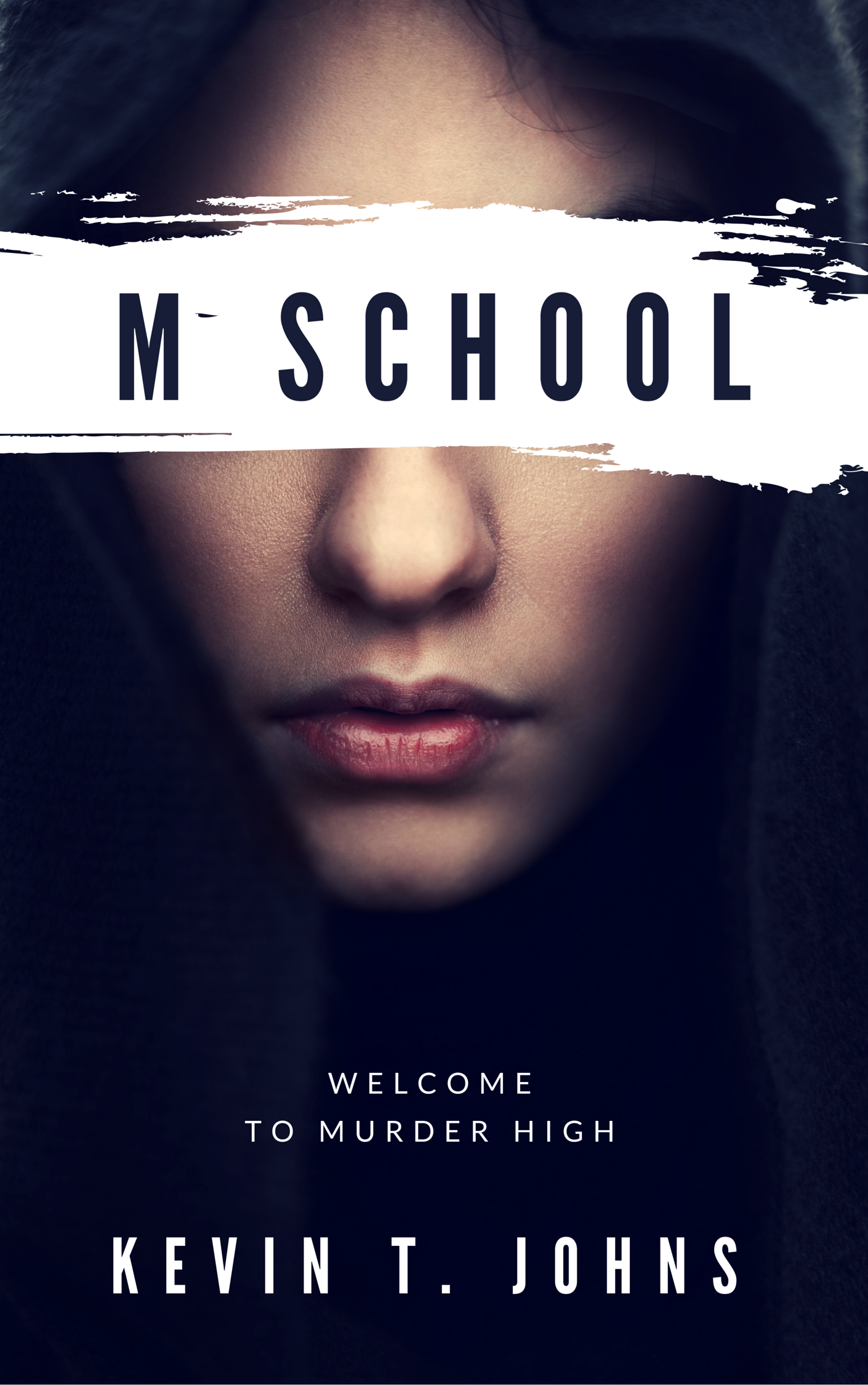
I’ve decided to self-publish my upcoming novel, M School.

This will be my sixth self-published book. You might think the decision to go indie yet again was an easy one.

It wasn’t.

I seriously considered seeking an agent and publisher for this novel.

Having gone the self-published route in the past, I’m going in with eyes wide open. I know exactly how much work is involved and what the results of that work will be. The idea of getting some help with the (sometimes overwhelming) workload is certainly appealing.

The possibility of getting an advance against royalties upfront (money coming in) instead of investing in editing and design myself (money going out) was also a nice thought.

And, of course, there’s some serious prestige that comes from securing a book contract.

As a writing coach, the most appealing aspect of all for going traditional was that having gone through the process of traditional publishing myself I would have (arguably) been in a better position to coach clients through that process.

Like I said, it wasn’t an easy decision, but in the end, I decided to go indie.

Here’s why.

I know What I’m Doing

This ain’t my first rodeo. I know how to choose a cover designer. I know how to work with an editor. I know how to publish and market a book. While help with the various tasks involved in publishing would be nice, it’s not in any way necessary in my case. I know how to produce a professional quality book on my own. It takes a lot of work, but I’m not afraid of working hard.

m schoolI’m a Control Freak

I want the control. I want final say on what my cover looks like and how my book is marketed. Author Tim Ferriss has been increasingly vocal about how important control over his creative work has become, particularly after a difficult experience producing his TV show, The Tim Ferriss Experiment. When Tim Ferriss talks, I listen.

The Book is Part of a Larger Business Strategy

Book sales are just one part of my overall business revenue. I also make income ghostwriting books for other people, coaching authors one-on-one and in my group coaching program, as well as through sales of my online course, The Novel Writer’s Blueprint. But that doesn’t mean consistently publishing extremely high-quality books isn’t an essential part of my business model. It’s absolutely essential because it builds my authority as a writing and publishing expert. I’m “walking the talk”, so to speak. I would have perhaps gained some authority by announcing a book contract, but the respect and authority I’m more interested in getting from my clients and potential clients will come via a demonstration of work ethic by way of consistently writing and publishing great books, not signing deals.

(Interested in learning more about the business side of independent publishing and building an author career? Check out the Book, Brand and Business Summit kicking off next Monday.)

Timelines

I’m not the most patient person in the world. It takes time to find an agent. It takes more time for that agent to sell your manuscript to a publisher. It takes even more time to slot that book into the publisher’s existing publishing schedule. I want to get M School into reader’s hands in the next six months, not spend the next two years watching it move slowly through the machinery of some big corporation.

Self-Publishing is Punk Rock

Speaking of big corporations, I grew up playing in punk rock bands. At no point did we ever want to sign a contract with a major label. We just wanted to play awesome songs to a passionate fan base. I approach my writing with that same spirit. I don’t write novels as some sort of desperate stab at approval and acceptance from corporate America. Art is supposed to be about telling The Man to F-off, not begging for his approval. The only people I care about impressing are my readers and my clients. Those are the real gatekeepers.

Will I regret the decision to self-publish in the months to come, as the workload piles up and the stress becomes overwhelming?

Possibly.

But I’ll survive.

Then I’ll go write another book.

And maybe I’ll seek a contract for that one.

[vertical_spacing]

[feature_box style=”23″ only_advanced=”There%20are%20no%20title%20options%20for%20the%20choosen%20style” alignment=”center”]

grey backKevin T. Johns is an author, writing coach, and ghostwriter. He has helped hundreds of writers from around the world get ideas out of their heads, onto the page, and into readers’ hands. Get your free copy of his short guide for authors below.
[/feature_box]

free-guide

[optin_box style=”21″ alignment=”center” email_field=”email” email_default=”Enter your email address” email_order=”2″ integration_type=”aweber” double_optin=”Y” thank_you_page=”https://www.kevintjohns.com/newsletter-confirmation/” list=”3224178″ name_field=”name” name_default=”Enter your first name” name_order=”1″ name_required=”Y” opm_packages=””][optin_box_field name=”headline”]Do you know the 12 ESSENTIAL steps to creating a novel readers will love?[/optin_box_field][optin_box_field name=”paragraph”]PHA+RHJvcCB5b3VyIG5hbWUgYW5kIGJlc3TCoGVtYWlsIGFkZHJlc3MgaW50byB0aGUgZm9ybSBiZWxvdyB0byBhY2Nlc3MgeW91ciBmcmVlIGNvcHkgb2YgPHN0cm9uZz48ZW0+VGhlIE5vdmVsIFdyaXRlcidzIFJvYWRtYXA8L2VtPjwvc3Ryb25nPiwgYSBzaG9ydCBhbmQgc2ltcGxlIGd1aWRlIHRvIHdyaXRpbmcgeW91ciBmaXJzdCBib29rLiBJdCdsbCB3YWxrIHlvdSB0aHJvdWdoIHRoZcKgPHN0cm9uZz4xMiBlc3NlbnRpYWwgc3RlcHM8L3N0cm9uZz7CoHRvIHdyaXRpbmcgYW5kIHB1Ymxpc2hpbmcgYSBub3ZlbCByZWFkZXJzIHdpbGwgZmFsbCBpbiBsb3ZlIHdpdGguwqA8L3A+Cg==[/optin_box_field][optin_box_field name=”privacy”]I value your privacy and would never spam you[/optin_box_field][optin_box_field name=”top_color”]undefined[/optin_box_field][optin_box_button type=”0″ button_below=”Y”]Send me the Roadmap >>[/optin_box_button] [/optin_box]
 

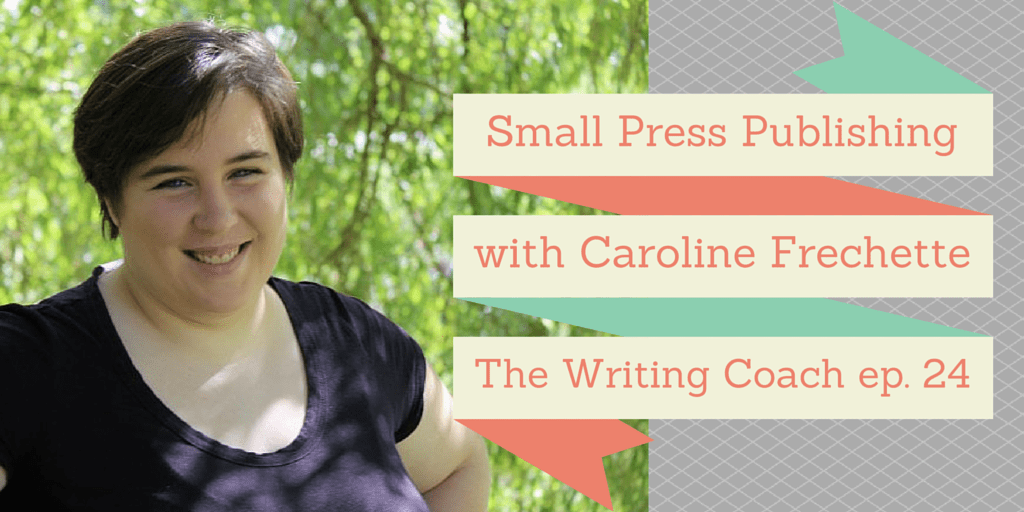
Small Press Publishing with Caroline Frechette – The Writing Coach 024

Welcome to The Writing Coach. On this podcast, I speak with the instructors, editors, coaches, and mentors that help writers and authors create their art, build their audience, and sell their work.

In episode 24 of The Writing Coach, I speak with author, writing coach, and publisher Caroline Frechette.

Think traditional publishing or self-publishing are the only two ways to get your book into the world? Think again!

Caroline Frechette of Renaissance Press joins me to discuss the benefits of small press publishing.

During the interview, Caroline describes:

  • what benefits small presses can offer authors;
  • how small press publishing differs from self-publishing and mainstream publishing;
  • what publishing timelines look like for small press books;
  • the legality of book contracts and what authors need to watch out for;
  • how small presses can help authors market their books,
  • and much more!

Listen now:

Show Notes

Caroline previously appeared in episode five of The Writing Coach.

Visit the Renaissance Press website.

Check out Caroline’s website.

[vertical_spacing]

[feature_box style=”23″ only_advanced=”There%20are%20no%20title%20options%20for%20the%20choosen%20style” alignment=”center”]

grey back
Kevin T. Johns is an author, writing coach, and ghostwriter. He helps authors from around the world get their stories out of their heads, onto the page, and into readers hands. Grab a free copy of his short guide for authors by clicking the image below.

[/feature_box]

8 Simple Ways to Beef Up a Lean Manuscript (Without Adding Filler or Fluff)

You’ve completed the first draft of your novel and it has come in at around 50K words.

But you were shooting for 80K.

Now what?

How do you beef up a lean manuscript? Where do you find 30,000 more words without just adding filler or fluff?

Despair not my friend!

Here’s 8 simple methods for fleshing out your manuscript in a way that’ll not only add words, but create a more rich, engaging, and textured novel.

[headline style=”1″ align=”center” headline_tag=”h2″] 1. Show Don’t Tell [/headline]

Rookie authors often hear the maxim “show don’t tell”.

This is not because showing is inherently better than telling in all situations. Rather, the maxim is so often repeated because beginner writers have a tendency to favor telling over showing, resulting in a story with a pace that moves too quickly and a manuscript that’s short on words.

Creating suspense, tension, and drama usually involves slooooooowing things down, stretching out a moment, and letting the reader sweat. How a writer slows down a scene is by showing instead of telling, i.e. going into more detail, which in turn means more words.

If your story is coming in short on word count, it probably means you’re doing too much telling and not enough showing. Find the moments in your story that need to be slowed down, and then get in there and add details.

Don’t just tell us the character crossed the busy street in the rain. Show us the raindrops hitting their skin, and how they dodged yellow taxis splashing water up from the puddles in the dirty gutter.

[headline style=”1″ align=”center” headline_tag=”h2″] 2. Add Sub-Plots [/headline]

The journey your protagonist goes on, the challenges they face, and the obstacles they overcome should be the focus of your narrative, but it shouldn’t be the only story arc in your novel.

B and C plots (i.e. sub-plots) allow an author to explore characters, themes, and story events that function in relation to, alongside, or in-opposition to the main plot.

The A plot of the film The Empire Strikes Back is Luke Skywalker’s journey towards becoming a fully trained Jedi, but what really makes Empire an extraordinary film is the B plot, the incredible love story playing our between Han Solo and Princess Leia.

Look for opportunities to add sub-plots to your book and to tie them into the main plot when possible.

[headline style=”1″ align=”center” headline_tag=”h2″] 3. Create Establishing Shots [/headline]

In cinema and television, most scenes begin with an establishing shot. This is usually an exterior shot of the building, house, or spaceship the subsequent scene plays out within. The purpose of these establishing shots is to give the viewer a sense of place, location, and geography.

Authors need to make sure they do the same work in establishing location and setting, just like filmmakers do.

Look for scenes in your manuscript that seem to be playing out in a nebulous void, and then do the work to establish a unique environment. Let the reader know about the setting the story or scene is taking place in.

There’s a reason fantasy novels are usually so long: their authors spend many words creating new and fantastic worlds. But your story doesn’t need to be set in an alternate reality to be gripping and rich. Readers can be just as easily enthralled by a delicately described bedroom, or the contents of a litter strewn alley.

[headline style=”1″ align=”center” headline_tag=”h2″] 4. Improve Opening Hooks and Closing Cliff-hangers [/headline]

The opening paragraph of every single chapter in your book should draw the reader in, excite and titillate them. You want to give the reader a reason to continue reading the rest of chapter.

You’ll also want most chapters to end on a dramatic note of some kind, if not an all-out cliff-hanger.

There’s a good chance the opening and closing of chapters, as written in your first draft, aren’t as gripping as they could be. Examine how each of your chapters opens and closes, and look for opportunities to amp up the drama, pull the reader in, and keep them turning pages.

[headline style=”1″ align=”center” headline_tag=”h2″] 5. Use All Five Senses [/headline]

Authors often fall back on visuals as their default descriptive device. Characters are constantly looking, peering, glancing, and staring at things.

But sight is only one of the five senses.

Draw your reader into the story (and add words to your manuscript) by exploring the other four senses. What does your character hear? How does the food they are eating taste? What does the bed they are lying in feel like? How does the sewer they are exploring smell?

These additional descriptions will add variety to your prose, words to your manuscript, and details to your story.

[headline style=”1″ align=”center” headline_tag=”h2″] 6. Add Second Level Action [/headline]

 Your lean manuscript is likely filled with dialogue scenes, and there’s nothing wrong with that; readers love dialogue! But if your manuscript is lacking words, it’s an excellent opportunity to add a second layer of action to scenes.

Does your manuscript have your protagonist and the man she’s falling in love with engaging in conversation in a coffee shop or restaurant? Why not move the date to a mountain bike trail and have the conversation play out while the couple dodges rocks and fallen trees while hurtling down a mountain side on barely controlled bicycles?

The opposite can also work. Does your manuscript feature a pure action sequence? If so, revise the scene and have a character confess a deep held secret or reveal a key plot point while grappling with the external action already taking place in the scene.

This second level of action will add layers to your scenes and words to your manuscript.

[headline style=”1″ align=”center” headline_tag=”h2″] 7. Attach Objects to Characters [/headline]

The ring Frodo carries to Mordor; Katniss Everdeen’s bow and arrows; Jay Gatsby’s yellow car; Captain America’s shield, Harry Potter’s Nimbus 2000 – iconic characters are often defined not just by their unique personalities or the specific actions they take during the narrative, but also by the objects writers associate with them.

In my young adult horror novel, The Page Turners, I gave my character Spenser a gold watch. The watch symbolized his deteriorating relationship with his absentee father, but also gave Spenser something to fiddle with when he was nervous, touch when he was thinking about his dad, or use as a time piece when I wanted to emphasize the clock running out for my characters.

What objects can you attach to the characters in your manuscript to help define who they are, what their journey is about, and, as an added bonus, bump up that word count?

I often approach this technique by asking myself, when the action figure is made for my character, what accessories will he or she come with?

[headline style=”1″ align=”center” headline_tag=”h2″] 8. Make Things Much Worse for Your Hero [/headline]

Brain Michael Bendis, writer of the comic book Daredevil, once said, “It’s my job to make Matt Murdoch’s life as horrible as possible.”

Bendis said this because he understands that drama is about conflict. Characters must overcome challenges in a story, and the more difficult the challenges, the more dramatic their ultimate victory or transformation at the end of the tale.

Take a look at your lean manuscript. Have your characters really been pushed to their furthest limits? Have you made things as horrible for them as you possibly can? Probably not.

Want to add words to your manuscript while upping the drama and the stakes of your story? Identify the things that matter the most to your protagonist, the things that are dearest to her heart, and then take all of them away from her.

A lean manuscript probably means your protagonist isn’t suffering nearly enough.

Get in there and really put ‘em through hell. It’s your job to make your characters lives as horrible as possible!

[feature_box style=”23″ only_advanced=”There%20are%20no%20title%20options%20for%20the%20choosen%20style” alignment=”center”]

grey backKevin T. Johns is an author, writing coach, and ghostwriter. He has helped hundreds of writers from around the world get ideas out of their heads, onto the page, and into readers’ hands. Get your free copy of his short guide for authors below.
[/feature_box]

free-guide

[optin_box style=”21″ alignment=”center” email_field=”email” email_default=”Enter your email address” email_order=”2″ integration_type=”aweber” double_optin=”Y” thank_you_page=”https://www.kevintjohns.com/newsletter-confirmation/” list=”3224178″ name_field=”name” name_default=”Enter your first name” name_order=”1″ name_required=”Y” opm_packages=””][optin_box_field name=”headline”]Do you know the 12 ESSENTIAL steps to creating a novel readers will love?[/optin_box_field][optin_box_field name=”paragraph”]PHA+RHJvcCB5b3VyIG5hbWUgYW5kIGJlc3TCoGVtYWlsIGFkZHJlc3MgaW50byB0aGUgZm9ybSBiZWxvdyB0byBhY2Nlc3MgeW91ciBmcmVlIGNvcHkgb2YgPHN0cm9uZz48ZW0+VGhlIE5vdmVsIFdyaXRlcidzIFJvYWRtYXA8L2VtPjwvc3Ryb25nPiwgYSBzaG9ydCBhbmQgc2ltcGxlIGd1aWRlIHRvIHdyaXRpbmcgeW91ciBmaXJzdCBib29rLiBJdCdsbCB3YWxrIHlvdSB0aHJvdWdoIHRoZcKgPHN0cm9uZz4xMiBlc3NlbnRpYWwgc3RlcHM8L3N0cm9uZz7CoHRvIHdyaXRpbmcgYW5kIHB1Ymxpc2hpbmcgYSBub3ZlbCByZWFkZXJzIHdpbGwgZmFsbCBpbiBsb3ZlIHdpdGguwqA8L3A+Cg==[/optin_box_field][optin_box_field name=”privacy”]I value your privacy and would never spam you[/optin_box_field][optin_box_field name=”top_color”]undefined[/optin_box_field][optin_box_button type=”0″ button_below=”Y”]Send me the Roadmap >>[/optin_box_button] [/optin_box]